
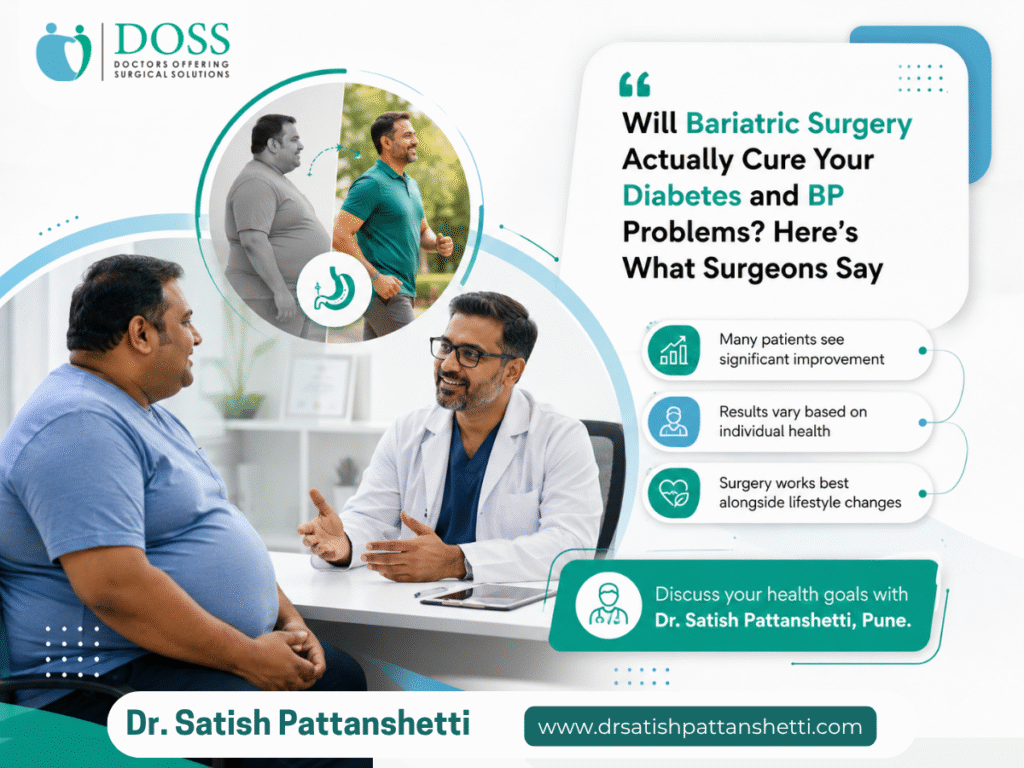
If you’ve been managing type 2 diabetes or high blood pressure alongside obesity for years, you’ve probably heard someone mention that bariatric surgery “cures” both. It sounds almost too good to be true, and honestly, the word “cure” gets thrown around a lot more loosely than it should be in casual conversation. So what does the actual research say, and what do bariatric surgeons themselves tell patients before they go under the knife?
The short answer is that bariatric surgery can lead to genuine, significant remission of both conditions for a large number of patients, but “cure” isn’t quite the right word, and the outcome depends heavily on individual factors. Let’s unpack what surgeons actually mean when they talk about this.
What the Research Actually Shows
The numbers here are genuinely impressive, and they’re the reason bariatric surgery has shifted from being seen purely as a weight-loss procedure to being recognized as a legitimate treatment for metabolic disease.
A large meta-analysis covering more than 130 studies found that type 2 diabetes resolved completely in about 77 percent of patients following bariatric surgery, and resolved or meaningfully improved in around 85 percent of cases. Hypertension showed similarly strong results, improving or resolving in 87 to 95 percent of patients in the same body of research.
More recent studies paint a slightly more nuanced picture. A five-year analysis published in 2025 found that hypertension remission, defined strictly as blood pressure under 130/80 without any medication, occurred in about 42 percent of patients, with another 32 percent seeing improved control on fewer medications. That’s still a meaningful outcome for most patients, just not a universal “cure” for everyone.
Diabetes remission rates also vary depending on the type of procedure. A large cohort study following patients for up to six years found that sleeve gastrectomy and gastric bypass produced notably better diabetes remission rates than gastric banding, with remission being maintained well into the sixth year for many patients. This is one of the key reasons a bariatric surgeon will recommend one procedure over another based on your specific health profile rather than a one-size-fits-all approach.
Why “Cure” Isn’t Quite the Right Word
Ask any experienced bariatric surgeon, and they’ll likely correct the word “cure” gently but firmly. Here’s why that distinction actually matters for patients making this decision.
- Remission depends on timing: Research consistently shows that patients with a shorter duration of diabetes before surgery achieve significantly higher remission rates than those who’ve lived with the condition for over a decade. One study found remission rates of over 71 percent for patients with diabetes duration under five years, compared to just 33 percent for those with more than fifteen years of disease. Earlier intervention genuinely changes outcomes.
- Age plays a role too: The same research found patients under 40 achieved nearly 69 percent complete remission, compared to under 22 percent in patients aged 60 and above. This doesn’t mean older patients shouldn’t consider surgery, but it does mean expectations need to be realistic and personalized.
- It’s a metabolic reset, not a guarantee: Bariatric surgery changes how your body processes food, hormones, and insulin, often dramatically. But if old habits creep back in over the years, particularly significant weight regain, some patients do see their blood sugar or blood pressure numbers rise again. It’s a powerful tool, not a permanent immunity pass.
- Some patients see improvement, not full remission: Many people who don’t achieve full remission still see a substantial reduction in medication dependence, which materially improves quality of life even without hitting the technical definition of “cured.”
This is precisely why any responsible bariatric surgeon will talk to you about long-term lifestyle commitment alongside the surgery itself, not just the operation as a standalone fix.
Who Tends to Benefit the Most
Surgeons generally look at a combination of factors when predicting how well a patient will respond. Based on the current body of research, the best outcomes tend to be seen in patients who have a relatively recent diabetes diagnosis, are not yet dependent on insulin therapy, have a higher preoperative BMI, and commit to the dietary and activity changes recommended after surgery. Younger patients and those without a strong family history of obesity also tend to show more durable results.
None of this means older patients or those with long-standing diabetes shouldn’t consider the procedure. It simply means the conversation with your bariatric surgeon should be honest about probability, not promises.
The Bigger Picture Beyond Diabetes and BP
It’s also worth knowing that bariatric surgery’s benefits often extend well beyond blood sugar and blood pressure. Research has documented meaningful improvement or remission in dyslipidemia, obstructive sleep apnea, gastroesophageal reflux disease, and even overall mortality risk, with one long-term observational study finding death rates roughly 40 percent lower over an average seven-year follow-up in surgical patients compared to those who didn’t have surgery. So even in cases where diabetes or hypertension don’t fully resolve, the surgery is often still moving the needle significantly on overall health risk.
Read More –
- Diet After Bariatric Surgery
- Can Bariatric Surgery Reverse Diabetes, Sleep Apnea, and Other Obesity Related Health Problems?
- Non Surgical vs Surgical Weight Loss: Which Approach Delivers Better Long Term Results?
Making an Informed Decision
If you’re considering bariatric surgery specifically to address diabetes or high blood pressure, the most useful thing you can do is have a detailed, honest conversation with a qualified bariatric surgeon about your specific numbers: how long you’ve had the condition, your current medications, your age, and your BMI. These factors together give a far more accurate picture of likely outcomes than any general statistic ever could.
Dr. Satish Pattanshetti brings extensive experience in advanced bariatric and metabolic surgery, helping patients understand exactly what surgery can realistically achieve for their individual health profile before making a decision. Rather than offering blanket promises, Dr. Pattanshetti focuses on personalized evaluation, procedure selection, and long-term follow-up care that supports lasting results. If you’re exploring bariatric surgery in Pune to manage diabetes, high blood pressure, or obesity-related health risks, Dr. Satish Pattanshetti offers the kind of detailed, evidence-based guidance that helps you set realistic expectations and make a confident, informed decision about your health.
Frequently Asked Questions
- Can bariatric surgery completely cure type 2 diabetes forever? For many patients, especially those with a shorter history of diabetes and no insulin dependence, bariatric surgery can lead to long-term remission where blood sugar stays normal without medication. However, it’s more accurate to call this remission rather than a permanent cure, since factors like significant weight regain over the years can cause diabetes to return in some patients. Long-term follow-up with your bariatric surgeon and continued healthy habits are key to maintaining results.
- How soon after bariatric surgery do diabetes and blood pressure improve? Many patients see noticeable improvements in blood sugar levels within days to weeks after surgery, often before major weight loss even occurs, due to hormonal changes triggered by the procedure itself. Blood pressure improvements tend to follow a similar early trend, though full remission for both conditions typically becomes clearer over the following one to two years as weight loss stabilizes.
- Is bariatric surgery only recommended for people with a very high BMI? Traditionally, bariatric surgery was reserved for patients with a BMI over 35, but current medical guidelines increasingly support surgery for patients with a lower BMI who have significant obesity-related conditions like uncontrolled diabetes or hypertension. A qualified bariatric surgeon will assess your complete health profile, not just your BMI number, to determine if you’re a suitable candidate.
#BariatricSurgery #DiabetesRemission #WeightLossSurgery #MetabolicHealth #BariatricSurgeon #ObesityCare #HealthyLiving #PuneHealthcare #DrSatishPattanshetti #DiabetesAwareness