
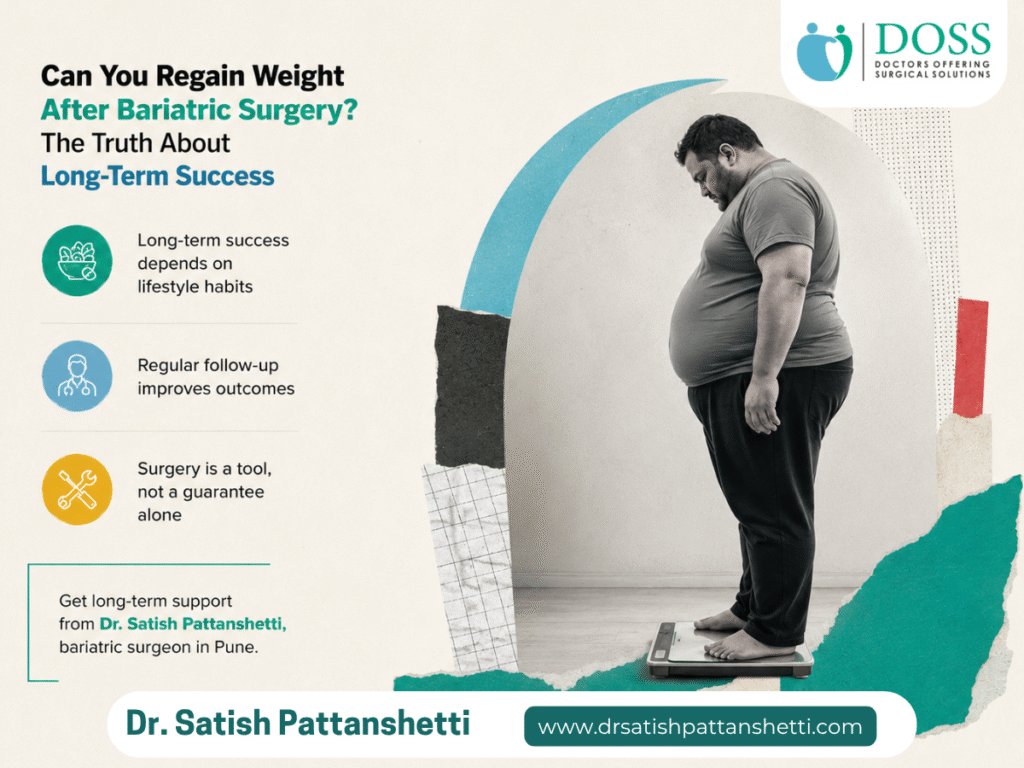
If you are considering bariatric surgery or have already had it, there is a question that quietly sits at the back of most patients’ minds: can the weight come back? It is a fair question, and the honest answer is yes, weight regain is possible after bariatric surgery. But the fuller picture is more nuanced than that single fact suggests, and understanding it can make a real difference in how you approach your own long-term success.
Bariatric surgery remains one of the most effective tools available for significant, sustained weight loss. It is not, however, a guarantee that stands entirely on its own once the procedure is done. Let us look at what the research actually shows.
How Common Is Weight Regain After Bariatric Surgery?
This is where numbers vary quite a bit, largely because different studies define weight regain differently. Still, a few well-documented findings give a realistic picture:
- The Longitudinal Assessment of Bariatric Surgery (LABS) study found that patients regained a median of about 9.7% of their pre-surgery weight, or roughly 26.8% of their maximum weight lost, within 5 years of gastric bypass surgery.
- The landmark Swedish Obese Subjects (SOS) study, one of the longest-running observational studies in this field, found that patients regained 8 to 13% of their weight before reaching a plateau around 8 to 10 years after their procedure.
- A 2023 systematic review and meta-analysis published in ScienceDirect found that approximately 49% of patients experienced weight regain after bariatric surgery, with the prevalence notably higher among those who had Roux-en-Y gastric bypass.
Put simply, some degree of weight regain after the initial loss is common, even expected, rather than a rare complication. What varies significantly is how much weight comes back and how much it affects overall health outcomes.
Why Does Weight Regain Happen After Bariatric Surgery?
Weight regain is rarely about willpower alone. A combination of physical, behavioral, and biological factors plays a role, and understanding these can help you and your bariatric surgeon build a more realistic long-term plan:
- Stomach and pouch changes over time. After procedures like sleeve gastrectomy, the stomach can gradually stretch, allowing for larger meal portions than were possible in the first year after surgery.
- Hormonal adaptation. The body’s hunger and satiety hormones can shift over time, sometimes partially reversing the appetite-suppressing effects the surgery initially provided.
- Behavioral drift. Old eating habits, grazing, or emotional eating patterns can resurface once the initial post-surgery discipline and novelty wear off.
- Reduced follow-up engagement. Patients who stop attending nutritional counseling or support groups after the first year are more likely to experience regain, since ongoing accountability plays a real role in maintenance.
- Younger age and higher starting BMI. Research has associated these factors with a higher likelihood of weight regain, though a bariatric surgeon can assess your individual risk more precisely.
Does Weight Regain Mean the Surgery Failed?
Not necessarily, and this is an important distinction. Weight regain is often treated in research as a marker worth monitoring rather than an automatic sign of surgical failure. Even accounting for regain, most long-term studies still show that bariatric surgery patients maintain significantly more weight loss, and considerably better health outcomes, than those who rely on lifestyle changes or medication alone.
A meta-analysis covering 10 or more years of follow-up across multiple bariatric procedures found substantial and durable weight loss across the board, with gastric bypass patients maintaining an average of nearly 57% excess weight loss even at the decade mark. In other words, some regain does not erase the overall benefit. It simply means that maintenance is an ongoing part of the process, not a one-time event that ends in the operating room.
How to Reduce the Risk of Weight Regain
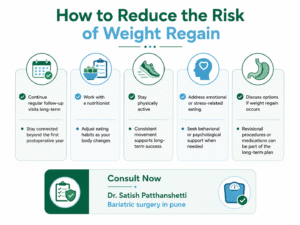
While no approach guarantees zero regain, patients who stay engaged with structured follow-up tend to fare noticeably better. A good bariatric surgeon will typically recommend:
- Continuing regular follow-up visits well beyond the first postoperative year, not just during the initial recovery period
- Working with a nutritionist to adjust eating habits as the stomach and hormones change over time
- Staying physically active, since consistent movement is one of the strongest predictors of long-term maintenance
- Addressing emotional or stress-related eating patterns early, ideally with behavioral or psychological support if needed
- Discussing options like revisional procedures or adjunct medications with your bariatric surgeon if significant regain does occur, since these can be part of a legitimate long-term management plan rather than a last resort
The Bigger Picture
Bariatric surgery is a powerful tool, not a finish line. The research is clear that most patients maintain significant, life-changing weight loss for years, even a decade or more, but it works best when paired with continued lifestyle support and regular check-ins with your care team. Thinking of it as the start of a long-term partnership with your bariatric surgeon, rather than a single fix, tends to set patients up for far better outcomes.
Read More –
- Diet After Bariatric Surgery: What to Eat and Avoid for Long-Term Success
- Will Bariatric Surgery Actually Cure Your Diabetes and BP Problems? Here’s What Surgeons Say
- Can Bariatric Surgery Reverse Diabetes, Sleep Apnea, and Other Obesity Related Health Problems?
How Dr. Satish Pattanshetti Can Help
Weight regain after surgery is a real possibility, but it is also manageable with the right long-term support. If you are exploring bariatric surgery in Pune or are already post-surgery and concerned about weight regain, having an experienced specialist in your corner makes a meaningful difference.
Dr. Satish Pattanshetti works closely with patients considering or recovering from bariatric surgery in Pune, offering thorough pre-surgical evaluation, structured follow-up care, and honest guidance on maintaining results for the long run. If you are searching for a trusted bariatric surgeon in Pune who prioritizes lasting outcomes over quick fixes, it is worth scheduling a consultation to discuss your specific situation and long-term plan.
Frequently Asked Questions
- Is weight regain after bariatric surgery normal? Yes, some degree of weight regain is common and well documented in long-term studies, with research showing regain rates ranging from single digits to nearly half of patients depending on the study and definition used. It does not automatically mean the surgery failed, but it does mean ongoing follow-up with a bariatric surgeon matters.
- How much weight regain is considered a problem? Many researchers use a threshold of regaining more than 10 to 15% of the lowest post-surgery weight as clinically significant. If you notice steady regain beyond this range, it is worth discussing with your bariatric surgeon, since early intervention tends to produce better outcomes than waiting.
- Can weight regain after bariatric surgery be treated? Yes. Depending on the cause and extent of regain, options can include nutritional counseling, behavioral support, adjunct weight loss medications, or in some cases revisional surgery. A bariatric surgeon can help determine which approach fits your specific situation best.
#BariatricSurgery #WeightLossJourney #BariatricSurgeryPune #ObesityAwareness #SustainableWeightLoss #HealthTransformation #WeightLossSupport #PostSurgeryLife