
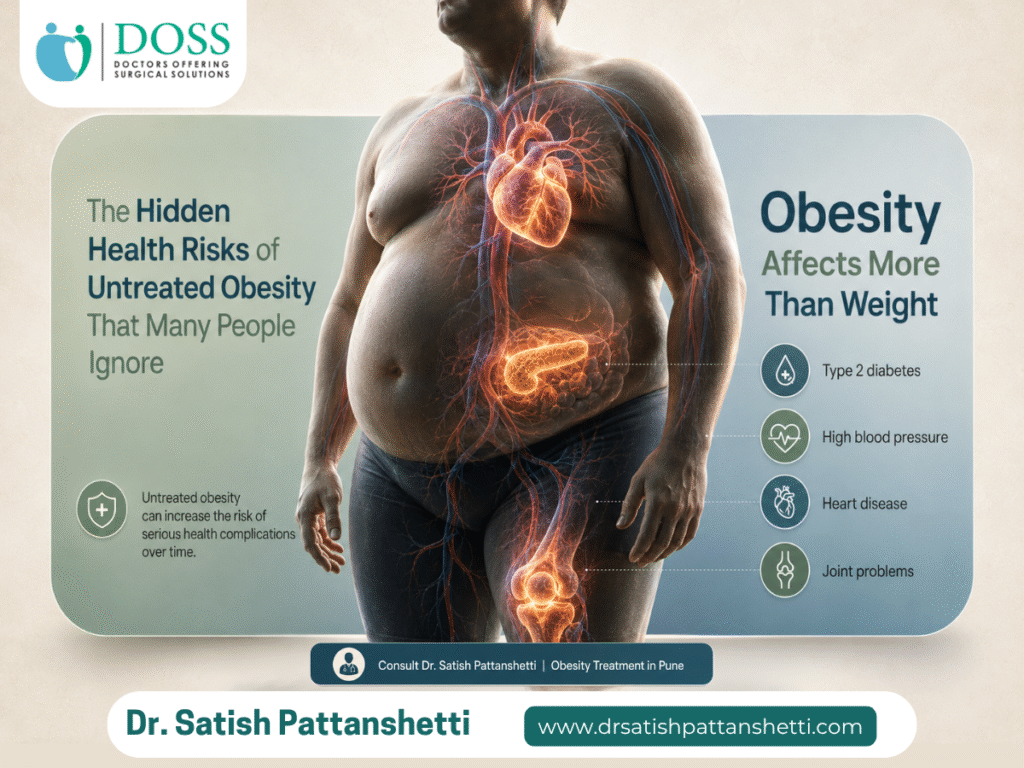
Obesity is often viewed as a cosmetic concern, but in reality, it is a complex medical condition that can significantly impact overall health. Millions of people worldwide live with obesity, yet many underestimate the serious consequences it can have on the body when left untreated. While the visible effects of weight gain are easy to notice, the hidden damage occurring internally is often overlooked until severe health complications develop.
Seeking timely obesity treatment can help prevent many of these complications and improve long term health outcomes. Under the guidance of experienced specialists such as bariatric surgeons in Pune, patients can access evidence based solutions that address the root causes of obesity and support sustainable weight management.
According to the World Health Organization (WHO), obesity has nearly tripled worldwide since 1975 and is associated with increased risks of numerous chronic diseases.
Source: https://www.who.int/news-room/fact-sheets/detail/obesity-and-overweight
In this article, we will explore the hidden health risks of untreated obesity and why early intervention is essential.
Why Obesity Is More Than Just Excess Weight
Obesity occurs when excess body fat accumulates to a level that negatively affects health. It is influenced by multiple factors, including genetics, lifestyle, hormonal imbalances, dietary habits, and environmental influences.
Many people assume obesity only affects physical appearance. However, excess fat tissue functions as an active organ that produces inflammatory substances and hormones that can disrupt normal body processes. Over time, this can contribute to serious health problems affecting nearly every organ system.
Hidden Health Risks of Untreated Obesity
1. Increased Risk of Type 2 Diabetes
One of the most common yet often underestimated consequences of obesity is insulin resistance. Excess fat, particularly around the abdomen, interferes with the body’s ability to use insulin effectively.
As insulin resistance worsens, blood sugar levels rise, increasing the risk of developing type 2 diabetes.
According to the Centers for Disease Control and Prevention (CDC), people with obesity are at a significantly higher risk of developing type 2 diabetes compared to those with a healthy weight.
Source: https://www.cdc.gov/diabetes/risk-factors/index.html
Without proper obesity treatment, diabetes can lead to complications such as:
- Kidney disease
- Nerve damage
- Vision loss
- Cardiovascular disease
2. Heart Disease and High Blood Pressure
Excess body weight places additional strain on the heart and blood vessels. Obesity contributes to:
- Elevated blood pressure
- Increased cholesterol levels
- Chronic inflammation
- Greater risk of heart attacks and strokes
The American Heart Association identifies obesity as a major risk factor for cardiovascular disease due to its effects on blood pressure, cholesterol, and blood sugar levels.
Source: https://www.heart.org/en/healthy-living/healthy-eating/losing-weight
What makes this risk particularly dangerous is that many people do not experience symptoms until significant damage has already occurred.
3. Obstructive Sleep Apnea
Many individuals with obesity suffer from obstructive sleep apnea without realizing it. This condition occurs when excess tissue around the neck narrows the airway during sleep, causing repeated breathing interruptions.
Common signs include:
- Loud snoring
- Daytime fatigue
- Poor concentration
- Morning headaches
Untreated sleep apnea increases the risk of high blood pressure, heart disease, and stroke. The National Heart, Lung, and Blood Institute highlights obesity as one of the strongest risk factors for sleep apnea.
Source: https://www.nhlbi.nih.gov/health/sleep-apnea
How Untreated Obesity Affects the Entire Body
Joint Damage and Reduced Mobility
Carrying excess weight places tremendous stress on weight bearing joints, particularly the knees, hips, and lower back.
Research shows that obesity significantly increases the risk of osteoarthritis, leading to chronic pain and reduced mobility.
Source: https://www.cdc.gov/arthritis/basics/osteoarthritis.htm
As mobility decreases, physical activity becomes more difficult, creating a cycle of weight gain and worsening joint problems.
Fatty Liver Disease
Non alcoholic fatty liver disease (NAFLD) is becoming increasingly common among individuals with obesity.
Excess fat accumulates within liver cells, potentially progressing to:
- Liver inflammation
- Liver scarring (cirrhosis)
- Liver failure
The American Liver Foundation reports that obesity is one of the leading causes of fatty liver disease worldwide.
Source: https://liverfoundation.org
Increased Cancer Risk
Many people are unaware that obesity is linked to several types of cancer. Excess body fat can contribute to chronic inflammation and hormonal changes that promote cancer development.
The National Cancer Institute reports associations between obesity and cancers affecting the:
- Colon
- Breast
- Endometrium
- Kidney
- Esophagus
- Liver
Source: https://www.cancer.gov/about-cancer/causes-prevention/risk/obesity
Mental Health Challenges
The impact of obesity extends beyond physical health. Many individuals experience:
- Low self esteem
- Anxiety
- Depression
- Social isolation
A review published by the National Institute of Mental Health suggests a strong relationship between obesity and mental health disorders, with each condition potentially worsening the other.
Source: https://www.nimh.nih.gov
The Importance of Early Obesity Treatment
Many obesity related diseases develop gradually over several years. Unfortunately, symptoms often appear only after significant damage has occurred.
Early obesity treatment offers several benefits:
- Reduced risk of chronic diseases
- Improved mobility and physical function
- Better sleep quality
- Enhanced mental well being
- Increased life expectancy
Treatment options may include lifestyle modifications, nutritional counseling, medical weight management, and bariatric surgery for eligible patients.
The key is recognizing obesity as a medical condition rather than a personal failure. Professional guidance can help individuals achieve meaningful and sustainable results.
When Should You Seek Professional Help?
If you have struggled to lose weight despite diet and exercise efforts, or if obesity is affecting your health and quality of life, it may be time to consult a specialist.
Warning signs include:
- Persistent weight gain.
- Difficulty performing daily activities.
- High blood pressure or diabetes.
- Sleep related breathing problems.
- Chronic joint pain.
- Fatty liver disease.
- Obesity related emotional distress.
Seeking expert evaluation can help identify the most appropriate treatment strategy before complications become more severe.
Read More –
- https://drsatishpattanshetti.com/recognizing-the-symptoms-of-obesity-a-guide-to-early-awareness/
- https://drsatishpattanshetti.com/obesity-reasons-consequences-prevention/
- https://drsatishpattanshetti.com/5-serious-health-issues-caused-by-obesity-when-to-consider-obesity/
Conclusion
The dangers of untreated obesity extend far beyond appearance. From diabetes and heart disease to sleep apnea, liver damage, cancer risk, and mental health challenges, obesity can silently affect nearly every system in the body.
The good news is that many of these complications can be prevented or improved with timely intervention. Prioritizing obesity treatment today can protect your long term health and significantly improve your quality of life.
If you are looking for expert guidance on obesity treatment in Pune, Dr. Satish Pattanshetti and the team at NA provide comprehensive assessment and personalized weight management solutions. Whether you need lifestyle support, medical management, or advanced surgical options, timely intervention can help you achieve lasting health improvements and reduce the risks associated with untreated obesity.
#ObesityTreatment #WeightLossJourney #BariatricSurgery #ObesityAwareness #HealthyLiving #WeightManagement #MetabolicHealth #ObesityTreatmentInPune #DrSatishPattanshetti