
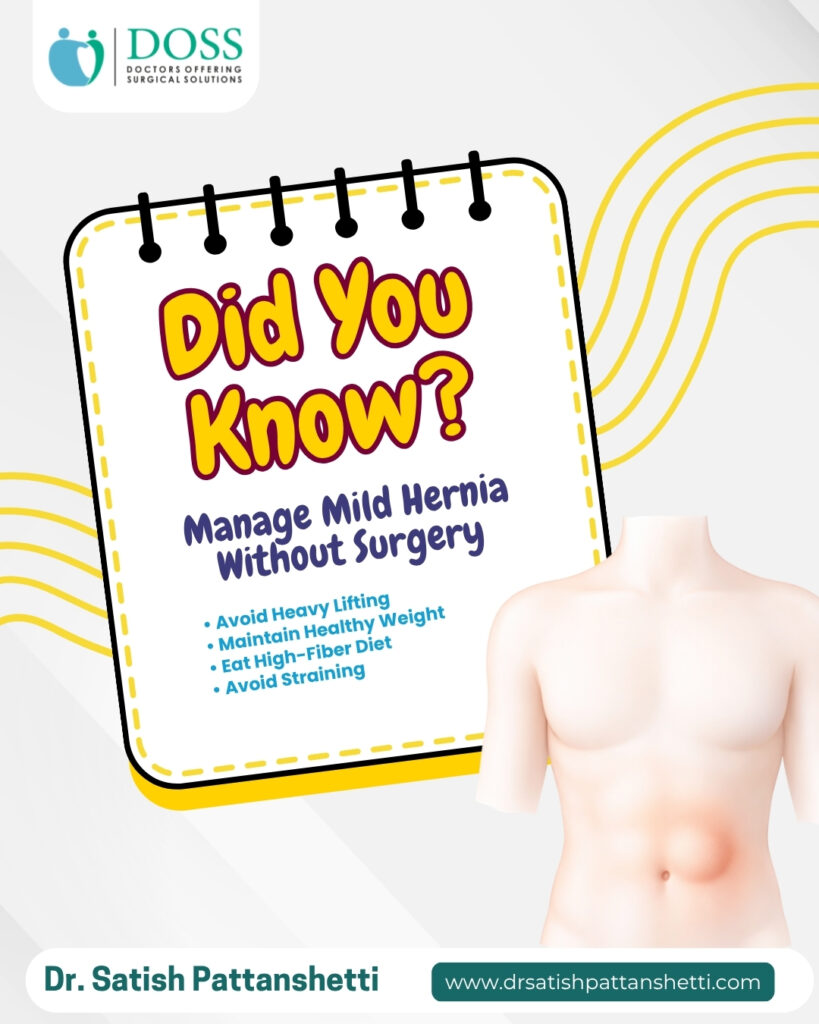
A hernia is a common condition that occurs when an internal organ pushes through a weak area in the surrounding muscle or tissue. While many hernias eventually require surgery, mild hernias can often be managed safely without surgery—especially when detected early and monitored by a specialist.
If you’ve been diagnosed with a small or mild hernia, understanding lifestyle changes and preventive care can help reduce symptoms and prevent complications.
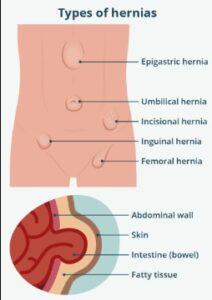
What Is a Mild Hernia?
A mild hernia usually appears as a small bulge that may become more noticeable when coughing, bending, or lifting heavy objects. It may cause minimal discomfort or no pain at all.
Common types of mild hernias include:
- Inguinal Hernia (groin area)
- Umbilical Hernia (near the belly button)
- Hiatal Hernia (upper stomach area)
- Incisional Hernia (near surgical scars)
Early diagnosis by a hernia specialist in Pune can help determine whether non-surgical management is safe in your case.
When Can a Hernia Be Managed Without Surgery?
Not all hernias require immediate surgery. Mild hernias can sometimes be monitored if:
- The hernia is small
- There is minimal pain or discomfort
- The hernia can be gently pushed back inside
- There are no signs of complications
- Symptoms are stable and not worsening
However, regular follow-ups with Dr. Satish Patanshetti, Hernia Specialist in Pune, are essential to ensure the condition remains safe.
Effective Ways to Manage Mild Hernia Without Surgery
If your hernia is mild, these lifestyle measures can help control symptoms and prevent worsening.
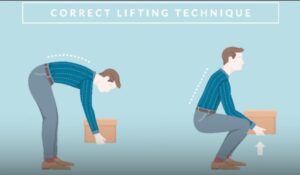
1. Avoid Heavy Lifting
Straining the abdominal muscles increases pressure and can enlarge the hernia.
Tips:
- Avoid lifting heavy weights
- Use proper lifting techniques
- Ask for help when lifting objects
- Avoid sudden movements
2. Maintain a Healthy Weight
Excess body weight increases abdominal pressure, worsening hernia symptoms.
Healthy weight management includes:
- Balanced diet
- Regular walking
- Low-impact exercise
- Portion control
Weight control is one of the most effective ways to prevent hernia progression.
3. Prevent Constipation
Straining during bowel movements can worsen a hernia.
Ways to prevent constipation:
- Eat high-fiber foods
- Drink plenty of water
- Avoid excessive straining
- Consider fiber supplements if needed
Good digestive health plays a crucial role in hernia management.

4. Use a Hernia Support Belt (If Recommended)
In some cases, a hernia belt or truss may provide temporary support.
Important notes:
- Use only under medical advice
- Ensure proper fitting
- Avoid prolonged unsupervised use
- Not a permanent solution
A support belt helps relieve discomfort but does not cure the hernia.
5. Avoid Chronic Coughing
Persistent coughing increases abdominal pressure.
If you have:
- Chronic cough
- Smoking habit
- Respiratory issues
Seek treatment early to prevent worsening of the hernia.
Warning Signs That Require Immediate Medical Attention
Even mild hernias can become serious if complications occur.
Seek urgent medical care if you notice:
- Severe pain
- Sudden swelling
- Nausea or vomiting
- Hernia becomes hard or cannot be pushed back
- Redness or discoloration
These may indicate hernia strangulation, which requires emergency treatment.
Can a Mild Hernia Heal Without Surgery?
A hernia does not heal on its own because the muscle weakness remains. However, mild hernias can often be managed safely for some time with proper care and medical supervision.
Eventually, surgery may be recommended if:
- Symptoms worsen
- The hernia increases in size
- Pain develops
- Complications arise
Early evaluation helps determine the right time for treatment.
Expert Advice from Dr. Satish Patanshetti, Hernia Specialist in Pune
Managing a mild hernia without surgery is possible in selected cases—but regular monitoring is essential.
Dr. Satish Patanshetti emphasizes:
- Early diagnosis improves outcomes
- Lifestyle changes help control symptoms
- Regular follow-ups prevent complications
- Surgery, when needed, is safe and effective
When to Consult a Hernia Specialist in Pune
You should consult a specialist if:
- You notice a bulge in the abdomen or groin
- Pain increases during activity
- The swelling does not reduce
- Symptoms interfere with daily life
- You are unsure whether surgery is necessary
Timely medical guidance can help prevent serious complications.
Conclusion
A mild hernia does not always require immediate surgery, but it should never be ignored. With proper lifestyle modifications, regular monitoring, and expert care, many patients can safely manage mild hernias without surgery.
If you suspect a hernia or want expert advice, consult Dr. Satish Patanshetti, Hernia Specialist in Pune, for personalized evaluation and safe treatment guidance.