
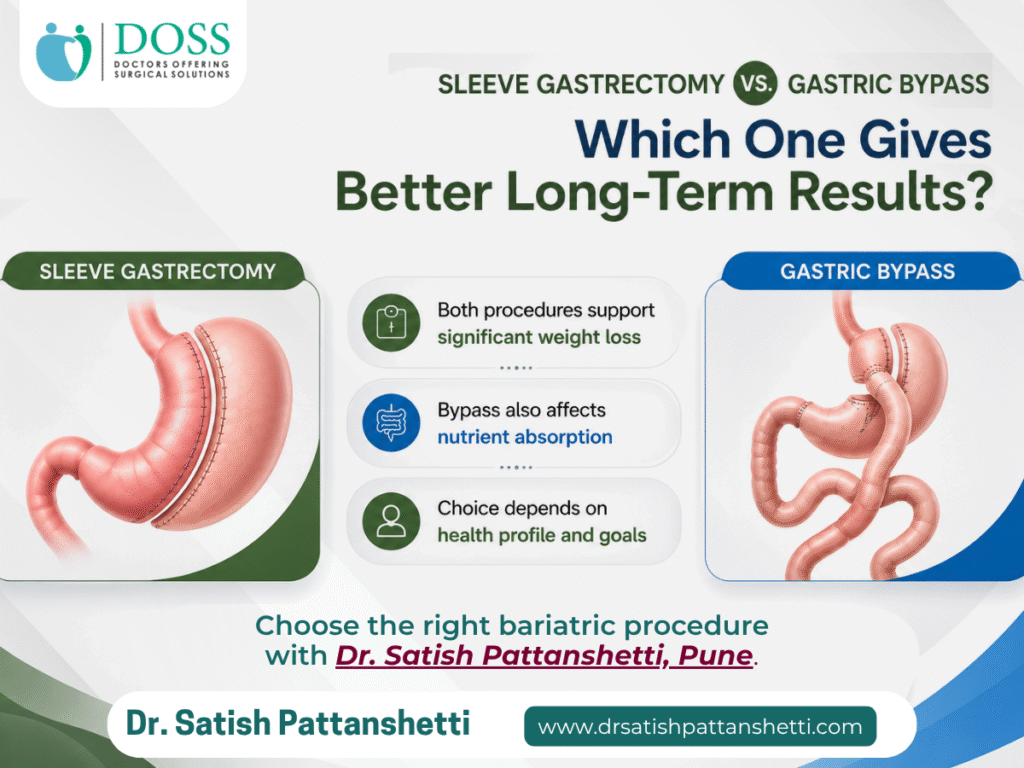
If you have spent any time researching weight loss surgery, you have probably run into this exact question. Two procedures dominate the conversation around bariatric surgery today: sleeve gastrectomy and gastric bypass. Both work. Both have helped millions of people lose significant weight and reverse conditions like type 2 diabetes and hypertension. But when it comes to results that hold up five, eight, even ten years down the line, the picture gets more nuanced than a simple “this one wins.”
Let us break down what the research actually shows, and what it means for someone trying to make this decision with their bariatric surgeon.
Understanding the Two Procedures
Before comparing outcomes, it helps to know what each surgery actually does.
Sleeve gastrectomy removes roughly 80% of the stomach, leaving behind a narrow, banana-shaped tube. This limits how much food you can eat and reduces production of ghrelin, the hormone that drives hunger.
Gastric bypass, formally called Roux-en-Y gastric bypass, is more involved. It creates a small stomach pouch and reroutes part of the small intestine, so food bypasses most of the stomach and the first section of the intestine. This limits intake and also changes how nutrients are absorbed.
Both are usually performed laparoscopically, meaning small incisions and a shorter recovery compared to open surgery.
What the Long-Term Data Actually Shows
This is where things get interesting, because the two procedures do not perform identically once you look past the first year or two.
- Weight loss durability: In the SLEEVEPASS trial, one of the largest randomized studies comparing the two, five-year excess weight loss was fairly similar between groups, though gastric bypass patients trended slightly higher. A separate matched cohort study following patients beyond five years found that sleeve gastrectomy patients regained more weight over time compared to those who had gastric bypass, according to research published in Surgery for Obesity and Related Diseases.
- Diabetes remission: The Oseberg trial, a triple-blind randomized controlled study published in The Lancet Diabetes & Endocrinology, found that gastric bypass was superior to sleeve gastrectomy for long-term remission of type 2 diabetes, weight loss, and LDL cholesterol levels at the five-year mark. The trade-off was a higher rate of symptomatic low blood sugar episodes after bypass.
- Acid reflux (GERD): Sleeve gastrectomy patients showed a notably higher rate of pathological acid reflux over time in the same Oseberg data, which is one reason surgeons often steer patients with pre-existing GERD toward bypass instead.
- Quality of life: A comparative study following patients for eight years found that gastric bypass patients experienced greater improvement in quality of life scores and reported more durable benefits overall compared to sleeve patients.
- Complication rates: On the flip side, sleeve gastrectomy generally carries a lower rate of early postoperative complications, since it does not involve rerouting the intestines or creating new connections that can leak or narrow.
Put simply, gastric bypass tends to edge ahead on long-term weight maintenance, diabetes control, and cholesterol management, while sleeve gastrectomy tends to be the safer, simpler procedure with fewer nutritional complications down the road.
So Which One Should You Choose?
There is no universal winner here, and any bariatric surgeon worth trusting will tell you the same thing. The right procedure depends on individual factors, not just statistics from a trial population.
Here is generally how the decision-making tends to play out in practice:
- Higher starting BMI or long-standing type 2 diabetes: Gastric bypass is often favored because of its stronger track record on metabolic remission.
- Existing acid reflux or GERD symptoms: Bypass is usually recommended, since sleeve gastrectomy can worsen reflux in some patients.
- Concerns about nutrient absorption, prior abdominal surgeries, or a preference for a technically simpler procedure: Sleeve gastrectomy is frequently the better fit.
- Patients who want a shorter operative time and are comfortable with slightly less dramatic long-term weight loss: Sleeve gastrectomy remains a strong, popular choice worldwide.
It is also worth remembering that bariatric surgery, whichever type you choose, is not a standalone fix. Long-term success depends heavily on post-surgical follow-up, dietary changes, physical activity, and mental health support. Interestingly, one study tracking patients for 24 months after surgery found that the link between diet and weight loss outcomes was strong at 12 months but weakened significantly by 24 months, suggesting other factors, including metabolic adaptation and behavioral consistency, play a growing role over time.
Why the Right Surgeon Matters as Much as the Right Procedure
Choosing between sleeve gastrectomy and gastric bypass is not something you should do from a spreadsheet of statistics alone. Your medical history, weight loss goals, existing health conditions, and even your lifestyle all factor into which surgery will serve you best for decades, not just the first year.
This is exactly why the conversation with your bariatric surgeon matters so much. A good surgeon does not push one procedure across the board. They walk you through your specific risk factors, set realistic expectations, and build a follow-up plan that supports the surgery long after you leave the operating table.
Dr. Satish Pattanshetti has spent years helping patients navigate exactly this decision, weighing the research against each patient’s real, individual health picture rather than offering a one-size-fits-all answer.
Read More –
- Diet After Bariatric Surgery: What to Eat and Avoid for Long-Term Success
- Why Am I Not Losing Weight Despite Diet and Exercise? When Medical Obesity Treatment May Be Needed
- Can Bariatric Surgery Reverse Diabetes, Sleep Apnea, and Other Obesity-Related Health Problems?
How na Can Help
If you are exploring bariatric surgery in Pune and trying to decide between sleeve gastrectomy and gastric bypass, na offers experienced surgical guidance built around your specific health profile, not a generic recommendation. From the initial consultation through post-surgery follow-up and nutritional support, the team at na focuses on outcomes that last well beyond the operating room. If you are ready to have an honest, detailed conversation about which procedure fits your body and your goals, reaching out for a consultation is the right next step.
Frequently Asked Questions
- Which is better for long-term weight loss: sleeve gastrectomy or gastric bypass? Long-term studies suggest gastric bypass generally produces slightly better sustained weight loss and lower weight regain over five or more years compared to sleeve gastrectomy. However, both procedures deliver significant, lasting results when paired with proper lifestyle changes and regular follow-up with a bariatric surgeon.
- Does gastric bypass reverse type 2 diabetes better than sleeve gastrectomy? Yes, according to the Oseberg randomized trial published in The Lancet Diabetes & Endocrinology, gastric bypass showed superior long-term remission rates for type 2 diabetes compared to sleeve gastrectomy, making it a common recommendation for patients with existing diabetes.
- Is sleeve gastrectomy safer than gastric bypass? Sleeve gastrectomy typically has a lower rate of early postoperative complications since it does not involve rerouting the intestines. It is often preferred for patients seeking a technically simpler procedure with fewer nutrient absorption concerns, though the right choice always depends on individual health factors discussed with your bariatric surgeon.
#BariatricSurgery #WeightLossSurgery #SleeveGastrectomy #GastricBypass #HealthyLiving #ObesityAwareness #BariatricSurgeryInPune #WeightLossJourney